
What to Expect in Your First Year Running Two Grocery Store Locations
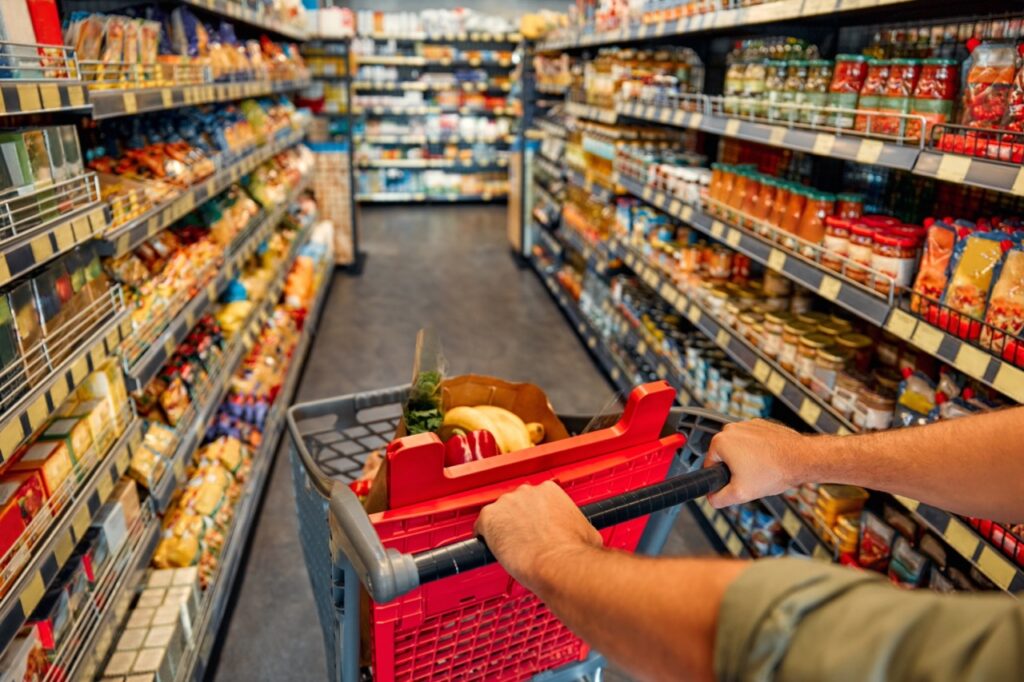
The decision to open a second grocery store location is one of the most significant an independent operator will make. It validates that the first store is working, that there is demand the current location cannot fully serve, and that the operator has the confidence to extend their model into a new environment. It is […]
How to Use POS Role Permissions to Manage a Mixed Full-Time and Part-Time Team
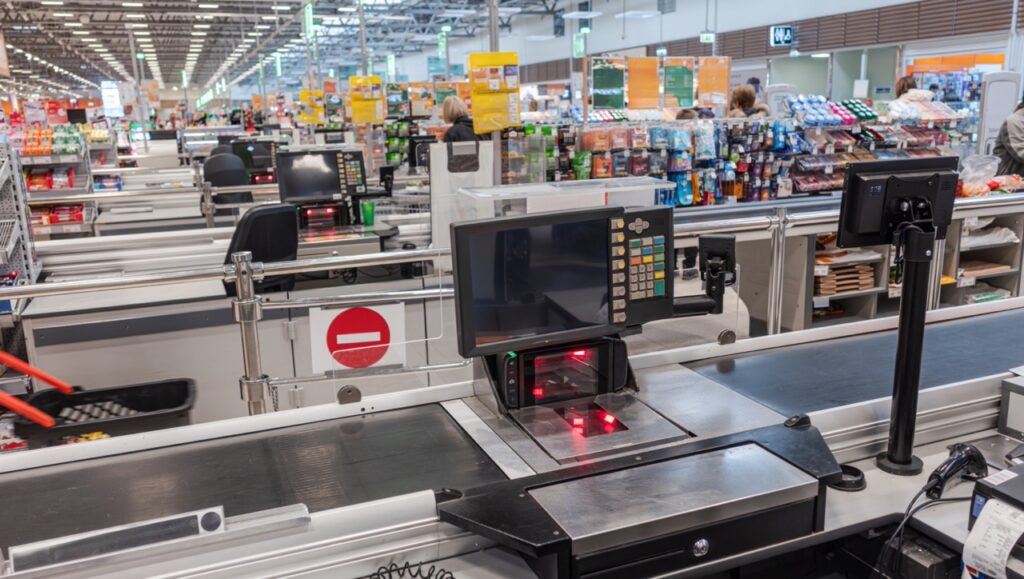
Most independent grocery stores run on a mixed staffing model: a core of full-time employees who carry institutional knowledge and operational continuity, layered with part-time staff who provide the flexibility to staff peaks, cover absences, and manage labor cost during slower periods. It is a practical model that works well operationally. It also creates a […]
How to Retain Good Grocery Store Employees in a Competitive Labor Market
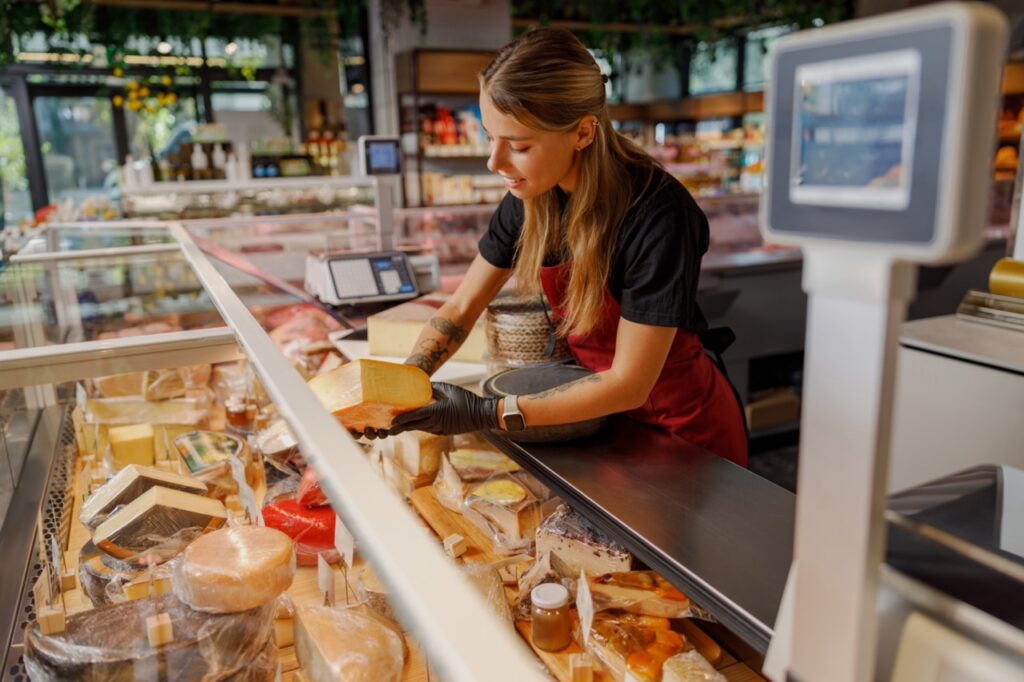
Finding a good grocery store employee is difficult in the current labor market. Keeping one is harder, and the cost of not doing it well is significant. The direct cost of replacing a grocery employee, including recruiting, onboarding, and the productivity gap while a new hire reaches full competence, is typically estimated at between one […]
What Every Independent Grocer Needs to Know About Payment Processing Fees
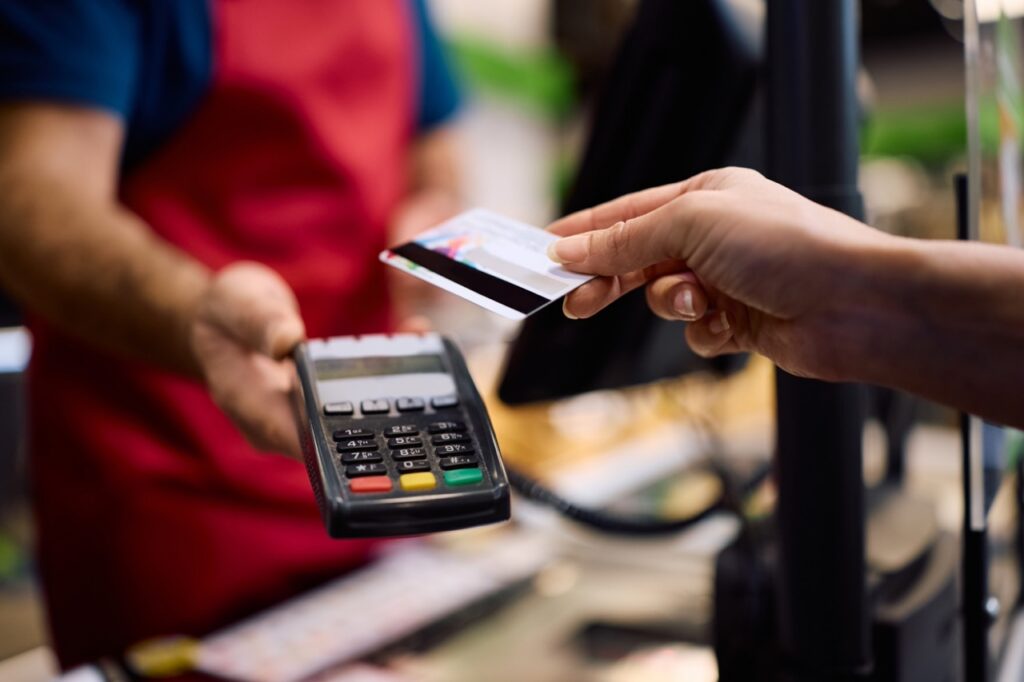
Payment processing fees are among the most consistently misunderstood costs in independent grocery operations. Most operators know they pay something for accepting card payments, and most have a rough sense of the percentage, but very few have a detailed understanding of how the fees are structured, what drives the differences between transaction types, or where […]
How Asian Grocery Stores Can Use POS Data to Manage High-Velocity Perishable Inventory

An Asian grocery store carries a product mix that places it among the most operationally demanding environments in independent retail. Fresh tofu with a two-day shelf life. Live seafood and fresh fish that need to move the same day they arrive. Imported produce varieties that cannot be sourced from a backup supplier when a delivery […]
What Independent Grocers Should Know About Labor Cost Planning and POS Reporting
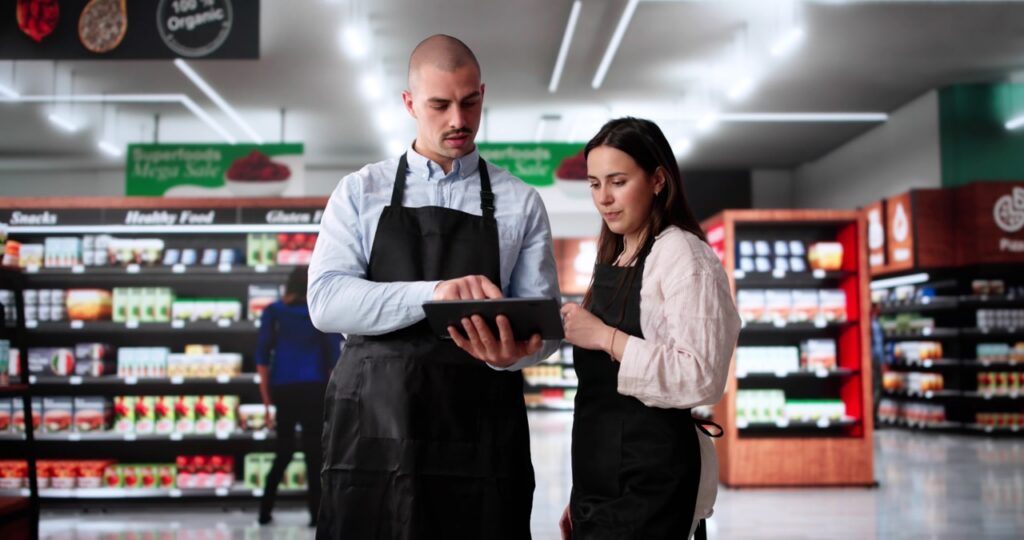
Labor is the largest controllable cost in most independent grocery stores, typically running between fifteen and twenty percent of revenue depending on store format, transaction volume, and service model. Unlike rent or utilities, which are relatively fixed, labor cost is directly responsive to the operational decisions you make every day: how many people you schedule, […]
How Independent Grocers Can Use POS Data to Navigate Inflationary Periods
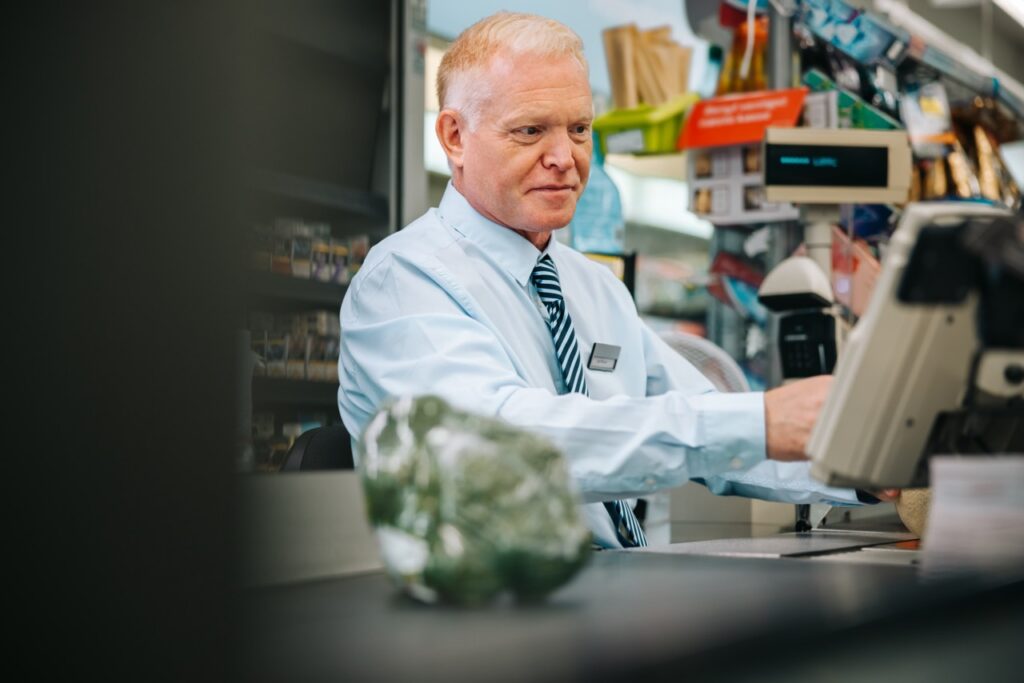
Inflation creates a particularly difficult operating environment for independent grocers. On one side, wholesale costs are rising across categories in ways that compress margin if retail prices do not keep pace. On the other side, shoppers who are feeling the pressure of higher prices everywhere are scrutinizing their grocery bills more carefully, comparing prices across […]