
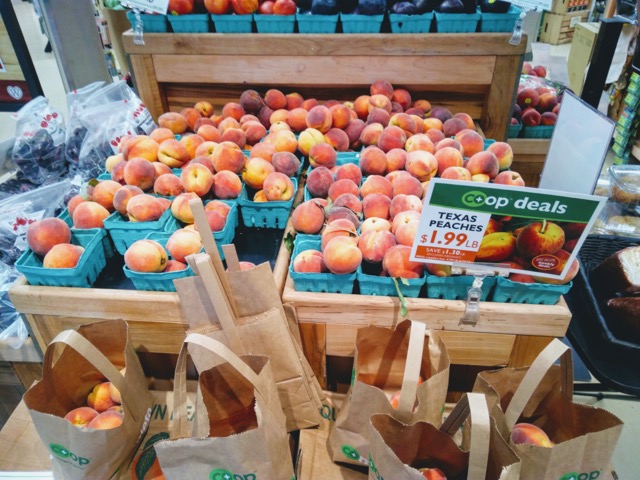
Running a natural foods co-op is fundamentally different from running a conventional grocery store. You are not just managing inventory and checkout. You are managing a community of members who own a stake in the business, expect preferential pricing, and often have a high degree of interest in how the store is operated.
That complexity flows directly into your point of sale and back-office operations. Here is what co-op managers and board members need to understand about the technology requirements that make a natural foods co-op run smoothly.
The Member Relationship Is Central to Everything
At a conventional grocery store, every customer is essentially the same at the register. At a co-op, membership status changes almost every aspect of the transaction. Members may receive:
- A discount on every purchase (commonly 5 to 20 percent)
- Access to member-only sales or special pricing
- A share of year-end patronage dividends based on their spending
- The ability to use a work equity credit if the co-op uses a work program
None of this is possible without a POS system that can identify members at checkout, apply the correct pricing automatically, and accurately track member spending over time. If your system cannot do this reliably, staff will make errors, members will be overcharged or undercharged, and your end-of-year dividend calculations will be a nightmare.
FlexRetail’s customer loyalty and member management tools are built to support exactly this kind of structured pricing relationship between a store and its member base.
Tiered and Member-Specific Pricing
Many co-ops use tiered pricing structures. For example:
- Non-members pay the standard shelf price
- Basic members receive a standard discount
- Working members who contribute labor hours receive a deeper discount
- Staff receive a separate employee discount
Your POS needs to handle all of these tiers simultaneously and apply the correct price automatically based on who is checking out. Manual discount entry at the register is slow, inconsistent, and creates audit problems later.
Beyond the member discount, co-ops often run member-only promotions that are separate from the store’s general weekly sales. Your system needs to be able to layer those pricing rules correctly so a member checking out during a member sale on an already-discounted item gets the right final price every time.
Patronage Dividends and Year-End Reconciliation
One of the defining features of a consumer co-op is the patronage dividend, sometimes called a patronage refund. At year-end, the co-op calculates how much each member spent and distributes a portion of the store’s surplus back to members in proportion to their purchases.
This requires accurate, complete records of every transaction tied to every member account going back twelve months. If your POS system loses data, misattributes transactions, or cannot export member purchase histories in a usable format, your dividend calculation becomes a manual, error-prone project that your board and your accountant will not enjoy.
FlexRetail’s back-office management tools provide the transaction-level data that co-op administrators need to run accurate year-end reporting without spending weeks reconciling spreadsheets.
Handling Member Equity and Work Credits
Many natural foods co-ops use a work program where members contribute a certain number of labor hours per month in exchange for an enhanced discount. Managing this at the register requires:
- A way to verify that a member’s work hours are current before applying the work discount
- A clear record of when the last work shift was logged
- A process for flagging members whose work equity has lapsed and returning them to a lower discount tier
This is an area where many co-ops still rely on paper logs or disconnected spreadsheets, which creates friction at checkout and inconsistency in discount application. Integrating this into your POS or member management system reduces staff errors and keeps the program fair for everyone.
Bulk and Specialty Inventory Complexity
Natural foods co-ops almost always carry product categories that add inventory complexity beyond a standard grocery store. Common examples include:
- Bulk bins where product is sold by weight with a PLU code
- House-packaged items with co-op private labels
- Locally sourced products from small suppliers who may not use standard barcodes
- Variable-weight items in produce, meat, and cheese departments
Your POS needs robust support for weight-based pricing, PLU codes, and manual item entry. It also needs to handle the scale integration required for bulk and deli departments accurately, because errors in weight-based pricing compound quickly across a high volume of daily transactions.
Transparency and Reporting for the Board
Co-op governance is different from conventional retail management. Your board of directors, elected by the membership, has a legitimate interest in operational performance. That means you need reporting that can answer questions like:
- What is our member sales volume versus non-member sales volume?
- How much did member discounts reduce gross revenue this period?
- How is margin trending by department?
- What is our inventory shrink rate?
FlexRetail’s reporting and analytics platform gives co-op managers and boards the visibility they need to make informed decisions and demonstrate financial health to their membership.
For a broader look at how POS systems support co-op operations specifically, see FlexRetail’s resources for co-ops and natural food stores.
What Your Co-Op POS System Needs to Do
If you are evaluating or upgrading your co-op’s point of sale setup, here is what to prioritize:
- Reliable member identification and automatic discount application at checkout
- Support for multiple pricing tiers (member, non-member, worker, staff)
- Complete member purchase history tracking for patronage dividend calculations
- Robust handling of bulk, weight-based, and non-barcoded items
- Reporting tools accessible to both store management and board oversight
- Integration with your member database or co-op management software
A POS system that understands the co-op model will save your staff significant time, reduce errors at the register, and give your membership the accuracy and transparency they expect from the store they own.
Learn more about how FlexRetail supports co-ops and natural food stores or schedule a demo to see how it handles member pricing and billing in practice.