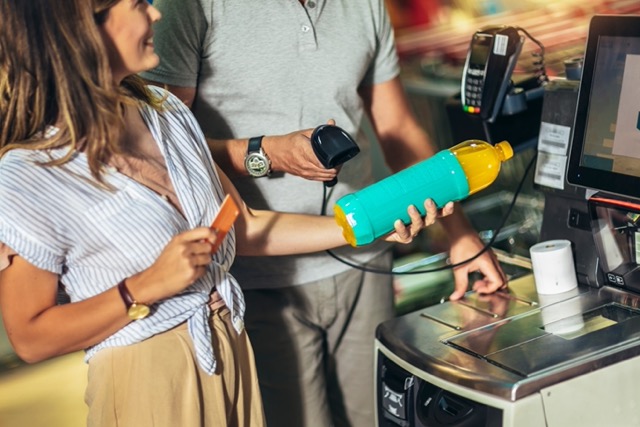
Self-checkout used to be the exclusive domain of big-box chains with the capital to invest in rows of kiosks and dedicated loss prevention staff. That is no longer true. Self-checkout technology has become more accessible, more reliable, and better suited to smaller store formats, and independent grocers who adopt it are seeing real benefits.
If you have been curious about self-checkout but unsure whether it makes sense for your store, here is a clear look at what it actually delivers.
Labor Flexibility in a Tight Market
Finding and keeping reliable cashiers is one of the most persistent challenges for independent grocery store owners. High turnover, scheduling unpredictability, and rising labor costs all create pressure that does not let up. Self-checkout does not eliminate the need for staff, but it fundamentally changes how you deploy them.
With a self-checkout lane, one staff member can monitor multiple checkout points simultaneously. During slower periods, you can run self-checkout lanes with minimal staffing. During peak hours, you can keep traditional lanes open for large orders while directing smaller basket shoppers to self-checkout.
That flexibility reduces your exposure to labor shortages and allows you to allocate staff time to higher-value tasks like restocking, customer service on the floor, and loss prevention.
Faster Throughput for Small Basket Shoppers
One of the clearest benefits of self-checkout is speed for customers buying a small number of items. A shopper with four or five items does not want to wait behind a full cart at a staffed lane. Self-checkout gives them a faster path to the door, which directly improves their experience and increases the likelihood they will return.
For independent grocers who compete on community feel and convenience, offering a genuinely fast checkout option for small basket trips is a meaningful differentiator. It is also an advantage when competing with convenience stores and gas stations that capture quick trips on speed alone.
Reduced Wait Times During Peak Hours
Long checkout lines are one of the most common complaints grocery shoppers have, and for independent stores with limited lanes, peak-hour backups can be a real problem. Self-checkout adds effective lane capacity without requiring additional staffed registers.
During the lunch rush or the after-work surge, a couple of self-checkout kiosks can absorb a significant portion of small to medium transactions and take pressure off your staffed lanes. Customers spend less time waiting, staff are less stressed, and the overall checkout experience improves for everyone in the store.
Lower Long-Term Operating Costs
The upfront cost of self-checkout hardware is a real consideration, but the long-term math often works in the store’s favor. When you factor in the labor savings over a year or more, a self-checkout system typically delivers a strong return on investment for stores with consistent transaction volume.
This is especially true as minimum wage rates continue to rise in many states. A self-checkout lane that can be supervised by a single employee alongside a staffed lane effectively doubles your checkout capacity at a fraction of the incremental labor cost.
FlexRetail’s self-checkout solution is designed specifically for the independent retail environment, not scaled-down enterprise hardware that was never meant for smaller store formats.
Better Data on Shopping Behavior
Every self-checkout transaction flows through your POS system, which means every item scanned contributes to your inventory and sales data. This is no different from staffed lanes in terms of data capture, but it reinforces the value of having a fully integrated checkout environment.
When your self-checkout is connected to the same reporting and analytics platform as your other registers, you get a complete picture of transaction patterns, popular item combinations, peak volume periods, and basket size distribution. That data informs everything from scheduling decisions to promotional planning.
Improved Customer Satisfaction for Certain Shoppers
Not every shopper wants to interact with a cashier. Some customers prefer the control and privacy of scanning their own items, particularly for health-related purchases, personal care products, or when they are in a hurry and do not want small talk. Offering self-checkout gives those customers the experience they prefer.
Research from Forrester and other retail analysts consistently shows that checkout experience is one of the top factors in grocery store satisfaction and loyalty. Giving shoppers options is a low-effort way to improve how your store is perceived.
Addressing the Loss Prevention Question
The most common concern grocers raise about self-checkout is shrink. It is a legitimate concern. Unscanned items, intentional or not, are a real risk in any self-checkout environment.
The answer is not to avoid self-checkout. It is to implement it correctly. Best practices include:
- Weight verification scales built into the bagging area
- Camera systems that monitor the checkout area
- Staff positioned to make eye contact with self-checkout users and offer assistance
- POS alerts for skipped items or unusually short transactions
- Regular audits of self-checkout transaction data for anomalies
FlexRetail’s payments and security features and integrated self-checkout platform include tools to help grocers manage shrink risk without eliminating the efficiency gains that make self-checkout worthwhile.
Is Self-Checkout Right for Your Store?
Self-checkout is not a fit for every format. Stores with a high proportion of weighted items, complex transactions, or very few lanes may find that the tradeoffs are not worth it. But for most independent grocery stores with moderate to high transaction volume and a significant number of small basket shoppers, it is worth serious consideration.
The technology has matured. The hardware has become more accessible. And the labor market is not getting easier. Independent grocers who invest in self-checkout today are building the operational flexibility they will need for the next decade.
Ready to explore whether self-checkout fits your store? Learn more about FlexRetail’s self-checkout solution or read more about how grocery stores are optimizing operations with FlexRetail.