
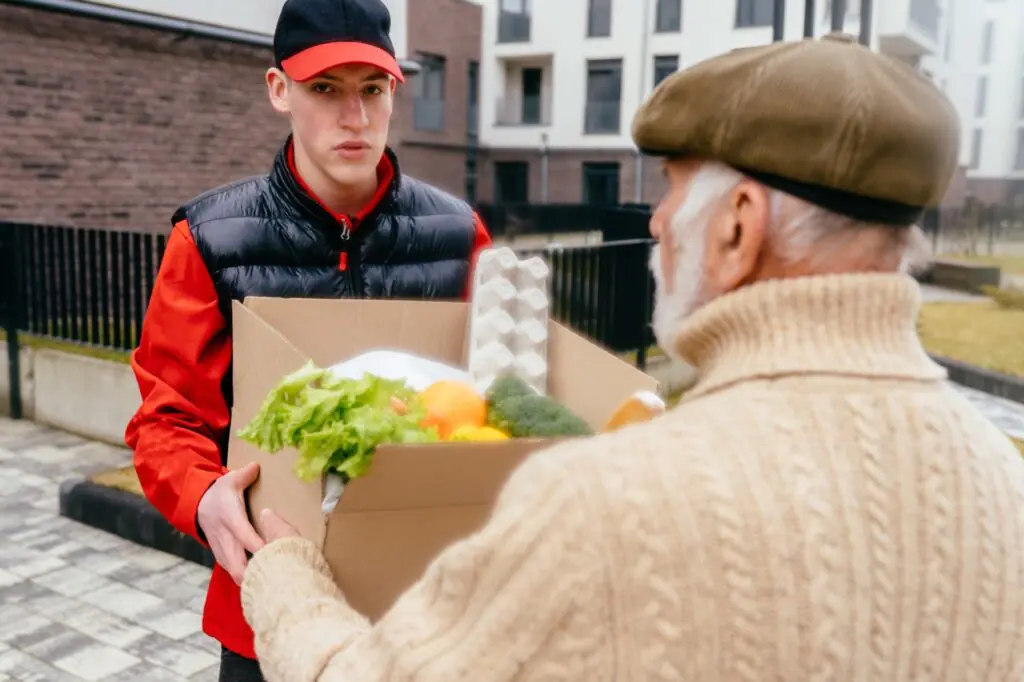
Grocery delivery is the most requested and most misunderstood extension of online ordering. Shoppers want it. Independent grocers who offer it can reach customers who cannot easily visit the store, increase basket sizes, and build habit-forming convenience. But delivery also converts a retail business into a logistics business overnight, with costs, risks, and operational complexity that pickup does not carry.
The independent grocers who launch delivery successfully are the ones who treat it as a deliberate business decision with its own economics, rather than a feature added because customers asked. Here is what it actually takes.
Decide Whether Delivery Is Right for Your Store Right Now
Before choosing a delivery model, ask whether the foundation is ready. Delivery tends to work best when pickup is already running smoothly. If your online ordering still has inventory accuracy problems, long pick times, or frequent substitution complaints, adding delivery will multiply those problems and add new ones.
Signs that you are ready for delivery include:
- A stable online ordering operation with a high fill rate and a repeat customer base
- Accurate real-time inventory that prevents out-of-stock surprises
- A picking workflow that can handle additional volume without disrupting the store
- Clear demand from customers who cannot or will not pick up, such as older shoppers, shoppers without transportation, and busy households
Our guide to launching online ordering without disrupting store operations covers building that foundation.
Choose a Delivery Model That Fits Your Resources
There are three common delivery models for independent grocers, each with distinct trade-offs.
In-house delivery uses your own employees and vehicles. It gives you the most control over the customer experience, the freshest handoff, and the strongest brand presence at the door. It also means you carry vehicle costs, driver wages, scheduling complexity, insurance, and the operational burden of managing a fleet, however small.
A third-party delivery partner handles drivers and logistics, typically for a per-delivery fee or a commission. This reduces your operational burden and lets you start quickly. The trade-offs are less control over the customer experience, variable driver quality, and fees that eat into margin. Our guide to competing with Instacart and DoorDash covers how to evaluate those economics.
A hybrid model uses in-house delivery for a defined local zone and a partner for outlying areas or overflow. This is often the most practical approach for stores that want brand control close to home without building a large fleet.
Define Your Delivery Zone and Windows Carefully
Unlimited delivery coverage is the fastest way to lose money. Every additional mile adds time, fuel, and driver cost, and a sprawling zone makes delivery windows hard to keep. Start with a tight zone, typically the area where most of your current customers already live, and expand based on demand and cost data.
Decisions to make explicitly include:
- The geographic boundary of your initial delivery zone
- Delivery windows, such as two-hour slots, and how many orders each window can handle
- Cutoff times for same-day versus next-day orders
- Days and hours of operation for delivery, which may be narrower than store hours at first
Your order data shows where demand is concentrated, which makes zone design evidence-based rather than a guess.
Price Delivery to Cover Its True Cost
Delivery economics are unforgiving. A thirty-five dollar basket with a six dollar driver cost, packaging, and picking labor can easily be unprofitable. Before setting delivery pricing, calculate the true cost per delivery, including:
- Picking and packing labor
- Driver time and vehicle costs
- Packaging, including insulated bags and cold packs for perishables
- Payment processing fees
- Time lost to failed deliveries and re-delivery attempts
Most independent grocers cover these costs through a combination of delivery fees, order minimums, and basket-building incentives. A minimum order value protects margin by ensuring each delivery carries enough revenue to justify the trip. Free delivery above a threshold encourages larger baskets. FlexRetail’s reporting tools help you track profitability per order so you can adjust pricing based on real results.
Understand How SNAP and EBT Work With Delivery
For stores serving communities with significant food assistance participation, delivery can be a meaningful service for shoppers with limited mobility or transportation. The rules require care. SNAP benefits can be used for eligible food items in online orders, but delivery fees, service fees, and tips cannot be paid with SNAP. The delivery charge must be paid with another payment method.
That means your checkout must separate eligible food items from fees and allow a split payment. It also means your store must be authorized for SNAP online purchasing. The USDA’s online purchasing information explains the requirements, and our guide to what SNAP online expansion means for independent grocers covers the practical steps. FlexRetail’s payments platform supports the split tender logic this requires, and our explainer on how split tender transactions work shows what correct processing looks like.
Plan for Cold Chain, Quality, and Age-Restricted Items
Delivery introduces risks that pickup does not. Perishables sit in a vehicle between your store and the customer’s door, so temperature control matters for both food safety and quality. Practices that protect quality include:
- Insulated bags and cold packs for refrigerated and frozen items
- Packing perishables last and delivering them first when routes include multiple stops
- Clear time limits between pickup from your store and delivery
- A policy for handling items that arrive in poor condition, with an easy path to a replacement or refund
Age-restricted items such as alcohol and tobacco require ID verification at the door, which means your drivers must be trained to check identification and to refuse delivery when it cannot be verified. Your catalog should flag restricted items so that orders containing them follow the right workflow. Our guide to age verification at the register explains the compliance principles that carry over to delivery.
Cover the Legal and Insurance Basics
In-house delivery creates liability that a retail-only store does not carry. Before launching, talk with your insurance agent about coverage for delivery vehicles, drivers, and goods in transit. Confirm whether employee drivers are covered under your existing policies and what happens if a driver uses a personal vehicle. Check local and state requirements for food delivery, including any licensing or food safety rules that apply. These conversations are easy to postpone and expensive to skip.
Pilot Before You Promise
The safest way to launch delivery is a controlled pilot. Offer delivery to a defined group of existing customers, in a limited zone, on specific days, with capped order volume. Track the metrics that matter: on-time rate, order accuracy, customer satisfaction, cost per delivery, and repeat usage. A four to six week pilot surfaces the problems that a plan cannot predict, and it lets you adjust pricing and operations before a public launch.
FlexRetail’s e-commerce integration connects online orders to your inventory, pricing, and payment systems so delivery orders flow through the same operational backbone as pickup. Schedule a demo to discuss what a delivery pilot would look like for your store.