
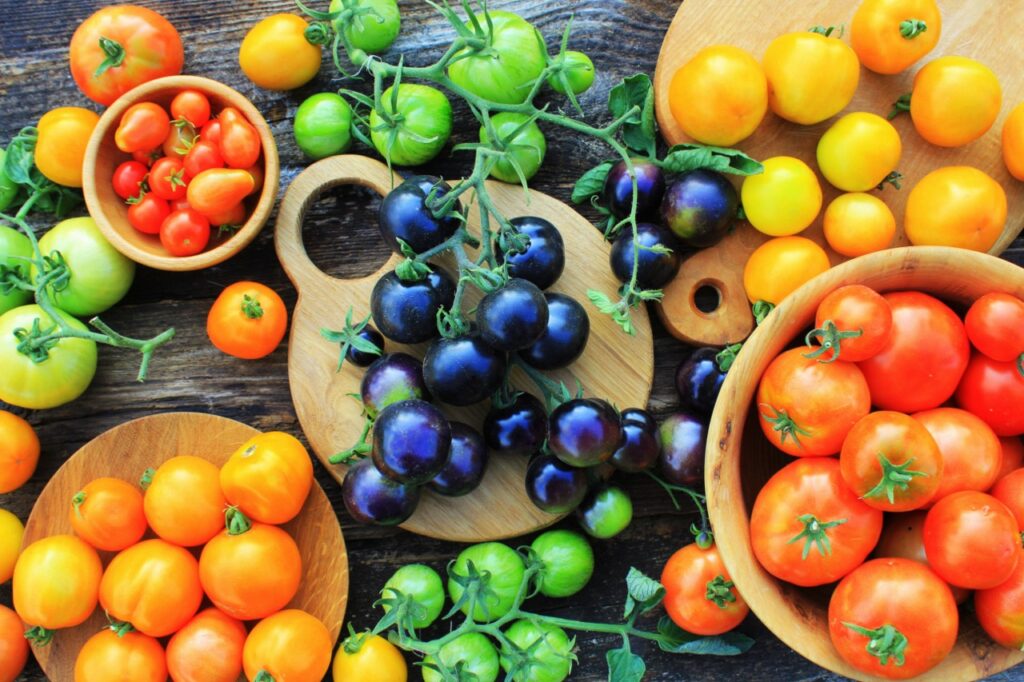
Summer produce season is one of the most dynamic periods in the independent grocery calendar. Local farms come into full production, customer demand for fresh fruits and vegetables peaks, and the competitive differentiation between a well-stocked independent grocer and a chain store narrows significantly because independents with strong local supplier relationships can offer something chains simply cannot: produce that was picked days or hours ago rather than weeks ago in a distant growing region.
The opportunity is real. So is the risk. Produce is the most perishable category in the store. Summer heat accelerates spoilage. Demand fluctuates with weather, local events, and the simple unpredictability of what shoppers want on any given week. And the supply side, particularly for locally sourced produce, is inherently variable in ways that packaged goods are not.
The stores that make the most of summer produce season are the ones with the inventory visibility to respond to these dynamics in real time rather than discovering problems after they have already cost them margin or customer satisfaction. Here is how real-time inventory management makes the difference.
Why Summer Produce Is a Different Inventory Problem
Managing produce inventory is fundamentally different from managing packaged grocery inventory in several ways that become more pronounced during peak summer season:
- Shelf life is measured in days rather than months, which means the window between ordering too much and writing off spoilage is extremely short
- Demand volatility is higher because produce purchases are more impulse-driven and weather-sensitive than most grocery categories
- Supply variability from local farms means the quantity available from any given supplier can change week to week based on growing conditions
- Pricing may need to adjust mid-week as product condition changes, which requires a POS system that can update prices quickly and push those updates to the register immediately
- Shrink from spoilage and handling damage is inherently higher than in other categories, and tracking it accurately requires inventory data that reflects actual condition, not just units received
A static inventory system that updates once a day or relies on periodic manual counts is poorly equipped to handle these dynamics. A real-time system that updates with every sale, every receiving event, and every inventory adjustment gives produce managers the visibility to make decisions at the pace the category requires.
Real-Time Sell-Through Visibility Prevents Over-Ordering
The most expensive produce inventory mistake is ordering too much of a perishable item and watching unsold stock deteriorate before it moves. In summer, when temperatures are high and the pace of spoilage is faster, the margin for error on over-ordering is narrower than at any other time of year.
Real-time sell-through data changes the ordering calculus. When you can see exactly how much of each produce item has sold today, this week, and compared to the same period last year, you have a much more accurate basis for your next order than the manager’s best guess or a standard weekly reorder quantity.
Specific ways real-time sell-through data improves produce ordering include:
- Identifying items that are moving faster than expected so you can place a supplemental order before you run out rather than after
- Identifying items that are moving slower than expected early enough to adjust pricing or placement to accelerate sell-through before spoilage becomes a write-off
- Comparing velocity across similar items to inform variety selection decisions, if heirloom tomatoes are outselling roma tomatoes three to one, that ratio should inform your next order split
- Tracking day-of-week demand patterns to time deliveries so product arrives when it will sell fastest rather than sitting over a slow weekend
FlexRetail’s inventory management platform updates produce inventory in real time with every transaction at the register, giving your produce manager a current picture of sell-through at any point during the day.
Local Supplier Relationships Require Flexible Inventory Management
One of the defining features of a strong independent grocer in summer is the local supplier network. Relationships with nearby farms, orchards, and produce growers give you access to product that chains cannot source at scale, and those relationships are a meaningful competitive differentiator with the growing segment of shoppers who care about where their food comes from.
Managing local supplier inventory requires flexibility that a rigid inventory system cannot provide:
- Local deliveries may arrive unannounced or on short notice rather than on a fixed schedule
- Quantities may vary from what was agreed depending on what the farm harvested
- Products may arrive under a farm name or a descriptive label rather than a standard UPC barcode, requiring PLU-based inventory management
- Pricing may vary delivery to delivery based on market conditions
FlexRetail’s back-office management tools support the kind of flexible receiving and inventory management that local supplier relationships require, allowing your team to receive variable-quantity, non-UPC produce deliveries and get them into the inventory system quickly so they show up in your sell-through tracking from the moment they hit the floor.
Price Adjustment Flexibility Is Essential in Season
Summer produce pricing is not static. A flat of strawberries that arrived on Monday in perfect condition may need a price reduction by Thursday if sell-through has been slower than expected and the berries are approaching the end of their optimal window. A local peach crop that came in exceptionally well may allow you to run a competitive promotional price that drives traffic. A weather event that damages regional crops may require a price adjustment upward to reflect the sudden supply constraint.
Each of these scenarios requires a POS system that can update pricing quickly and push those updates to every register immediately. A system that requires overnight batch processing to reflect a price change, or that requires individual register updates rather than a centralized push, creates a gap between the price decision and the price reality that costs you money in one direction or another.
FlexRetail’s centralized pricing management allows produce managers to update prices from the back office with immediate propagation to all registers, so the price your produce staff decides on at 8am is the price shoppers see at the register by 8:01am.
Shrink Tracking Protects Your Margin
Produce shrink, the margin lost to spoilage, handling damage, and sampling, is an unavoidable cost of running a fresh produce department. What is avoidable is being unable to measure it accurately and therefore unable to manage it systematically.
A real-time inventory system that tracks receiving quantities and sales quantities separately makes shrink visible as the difference between what came in and what was sold. When shrink is visible by item and by time period, produce managers can:
- Identify which items consistently generate above-average shrink and adjust order quantities or sourcing accordingly
- Spot shrink spikes that may indicate a storage or handling problem rather than normal spoilage rates
- Track the shrink impact of pricing decisions, a faster-moving promotional price may generate lower total shrink even at a reduced margin per unit
- Report accurate shrink figures for cost accounting purposes rather than estimating from annual physical counts
FlexRetail’s inventory tools connect receiving data and sales data in a way that makes this kind of shrink tracking practical for a produce manager who does not have hours to spend on analysis every week.
Connecting Produce Season Performance to Your Annual Buying Strategy
The data your produce department generates during summer season is not just useful in the moment. It is a planning resource for next year. The items that sold fastest, the local suppliers whose product moved best, the pricing decisions that drove the strongest margin, and the weeks where demand peaked most strongly are all inputs to a more confident produce strategy for the following season.
A POS system that retains historical transaction and inventory data gives you this year-over-year view without requiring manual record-keeping. FlexRetail’s reporting and analytics platform stores the historical data you need to compare this summer’s produce performance to last summer’s and make the adjustments that will make next season more profitable.
Schedule a FlexRetail demo to see how the inventory management and reporting tools work together during a high-velocity seasonal period like summer produce season.