
There is a well-documented phenomenon in retail psychology where the people who work in a store stop seeing it the way customers do. The scuff mark on the floor near the entrance has been there for three weeks. The produce display that has been set up the same way for two years feels fine to the staff who walk past it daily. The refrigerator case door that does not quite seal properly has been noted and deferred. The handwritten sign on the frozen foods case is still there from a promotion that ended a month ago.
Customers see all of these things. They do not always consciously register them as individual observations. But they aggregate into an overall impression of the store that influences how much they trust the freshness of the food, how comfortable they feel spending time browsing, and whether the experience feels like one they want to repeat or one they are merely tolerating.
The challenge for independent grocery operators is that most of these details are not captured in any data system and are not part of any formal review process. They live in the gap between what managers check systematically and what customers notice continuously. Here is what shoppers actually notice, why each detail matters, and how to build the operational habits that keep these details in check.
The Produce Section Sets the Quality Standard for the Entire Store
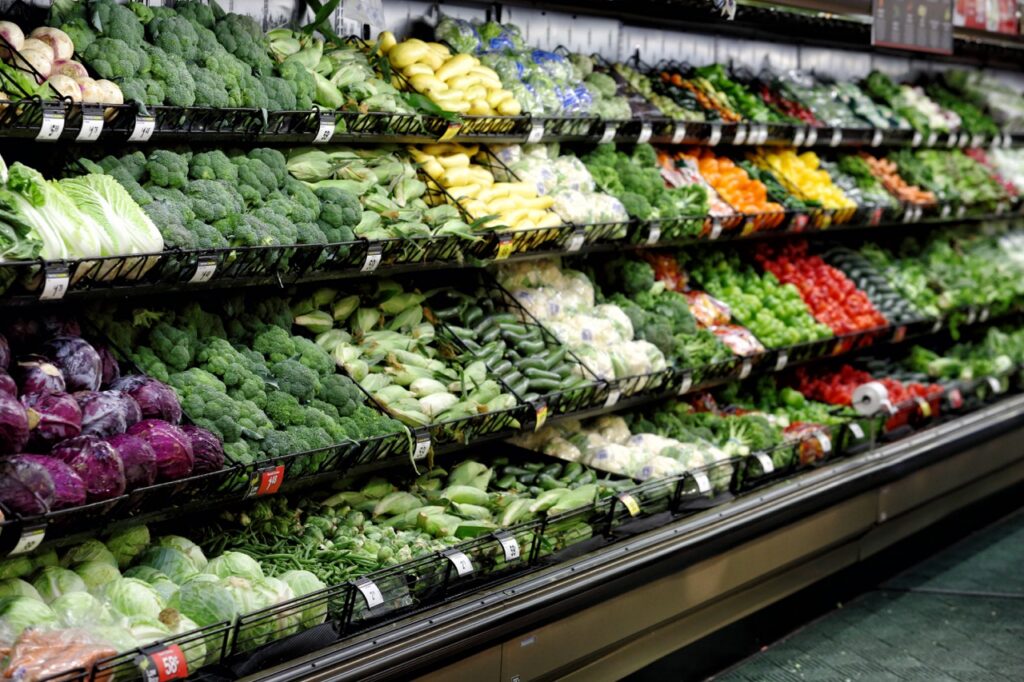
Shoppers’ perception of a grocery store’s freshness and quality is anchored heavily by the produce section, particularly whatever is visible within the first thirty seconds of entering the store. This is true even for shoppers who are not primarily buying produce on that trip. Research on retail environments consistently finds that the produce section functions as a quality signal that shoppers apply to the entire store: a produce section that looks abundant, fresh, and well-maintained communicates that the store cares about what it sells. A produce section with wilted lettuce, empty spots that have not been restocked, or items that have been picked over and not rotated communicates the opposite.
Specific produce details that shoppers notice and that operators often overlook:
- Spots in the display where items have sold through without being restocked, which read as neglect rather than popularity
- Items at the front of the display that are older than items at the back, indicating that rotation is not happening consistently
- Wilting, bruising, or moisture damage on items that have been on display too long
- Misting systems that are not working, leaving leafy greens looking dry and past their prime
- Signage that is water-damaged, faded, or refers to prices that have changed
Your POS velocity data for produce items tells you which items sell through fastest and therefore need the most frequent restocking attention. FlexRetail’s inventory management tools surface this velocity data so the produce team knows which displays need attention based on sales rate rather than visual inspection alone.
The Checkout Area Is the Last Impression and It Lingers
The checkout lane is the last physical environment a customer spends time in before they leave, which means it carries disproportionate weight in the memory of the visit. Shoppers who had a pleasant shopping experience but encountered a cluttered, sticky, or visually disorganized checkout lane often remember the checkout friction more vividly than the positive parts of the trip.
Details shoppers notice at checkout that operators frequently stop seeing:
- Register areas with accumulations of old receipts, rubber bands, pen caps, and miscellaneous items that have not been cleared
- Candy and impulse item displays that are disorganized or have empty spots that have not been restocked
- Belt surfaces that are visibly dirty or sticky, which shoppers who are placing their groceries directly on the belt find genuinely off-putting
- Outdated promotional signage at the register, particularly signs advertising prices or promotions that are no longer active
- The customer-facing display showing test screens, error messages, or promotional content that has not been updated in months
Some of these are operational habits that need to be built into the shift start and shift end routines for checkout staff. Others, like the customer-facing display content, connect directly to your POS configuration. FlexRetail’s back-office management tools allow you to update display content centrally, so the promotional messaging your customers see at the register is current rather than referencing last month’s offer.
Refrigerator and Freezer Case Presentation Signals Product Quality
Shoppers make quality judgments about refrigerated and frozen products based partly on the condition of the cases holding them. A refrigerator case with fogged or dirty glass, uneven lighting, or a door that does not seal properly raises questions about whether the temperature inside the case is consistently maintained, which is directly connected to food safety perceptions.
Specific case presentation details that shoppers notice:
- Condensation or frost buildup on the inside of case doors, which can indicate a seal or temperature issue
- Spills or residue on case shelves that have not been cleaned between product rotations
- Damaged or missing shelf tags that leave products without price information, which shoppers find frustrating and may interpret as a sign of poor management
- Cases that are so full that products are blocking the air circulation vents, which affects both temperature maintenance and the ability of shoppers to see and reach what they want
- Products that have been placed back in the wrong section after a shopper changed their mind, creating a mishmash that makes the case look disorganized
Temperature logs for your refrigerator and freezer cases are a food safety compliance requirement in most jurisdictions, but they are also an operational tool for identifying cases whose temperatures are drifting before a food safety or quality problem develops.
The Bathroom Is a Proxy for Kitchen and Prep Area Standards
Shoppers who use the restroom in a grocery store are making an unconscious inference about the standards maintained in areas of the store they cannot see, including the kitchen, the meat prep area, and the receiving dock. A dirty or poorly maintained restroom is not just an inconvenience. It is a data point that informed shoppers use to calibrate their trust in the store’s food handling practices.
This is a well-documented finding in food retail research and is one of the reasons that quick-service restaurant chains treat bathroom cleanliness as a non-negotiable operational standard. For independent grocers, the restroom is often lower on the priority list than customer-facing departments, which is exactly backwards from a customer trust perspective.
Floor Cleanliness Communicates Operational Attention
Floors accumulate evidence of a store’s operational rhythm throughout the day. A store that sweeps and mops on a consistent schedule and addresses spills immediately looks fundamentally different from one where these tasks happen when someone remembers to do them. Shoppers who are walking the aisles while shopping have continuous floor-level visual access that makes floor cleanliness more salient than it might seem from an operator’s perspective.
Details shoppers notice and remember:
- Wet floor signs that are left out long after the hazard has been addressed, which look like indifference rather than caution
- Debris accumulated in corners and under shelving fixtures that has clearly been there for extended periods
- Tracking marks from delivery equipment that have not been cleaned up after a receiving event
- Spill response that is slow or incomplete, leaving the area hazardous or visually unappealing longer than necessary
Building Inspection Habits Into Your Operational Routine
The common thread across all of these details is that they are most effectively managed through consistent operational habits rather than periodic correction. A store manager who walks the entire store at opening with a specific checklist of the high-attention areas will catch the vast majority of these issues before customers arrive. A cashier who clears and wipes their checkout area at the start of every shift maintains the standard without a manager having to notice and correct it.
The operational disciplines that produce consistently well-presented stores include:
- A written opening checklist that covers produce rotation, case presentation, floor inspection, restroom check, and checkout area setup rather than relying on manager memory
- Defined ownership of each area so accountability is clear rather than diffuse
- A spill and damage response protocol that staff know and follow without waiting for instruction
- A regular schedule for deep cleaning tasks including case interiors, shelf washing, and high-touch surface sanitizing
Your POS data supports this indirectly by giving you the traffic pattern visibility to know when your busiest periods are, which tells you when pre-shift preparation matters most and when mid-shift maintenance attention is needed because traffic has been high. FlexRetail’s reporting tools surface this traffic data in a format that supports scheduling decisions including when to staff additional floor coverage for maintenance tasks rather than only for checkout. Schedule a demo to see how the operational data available in the platform supports the store management habits that keep your environment consistently at the standard your customers expect.