
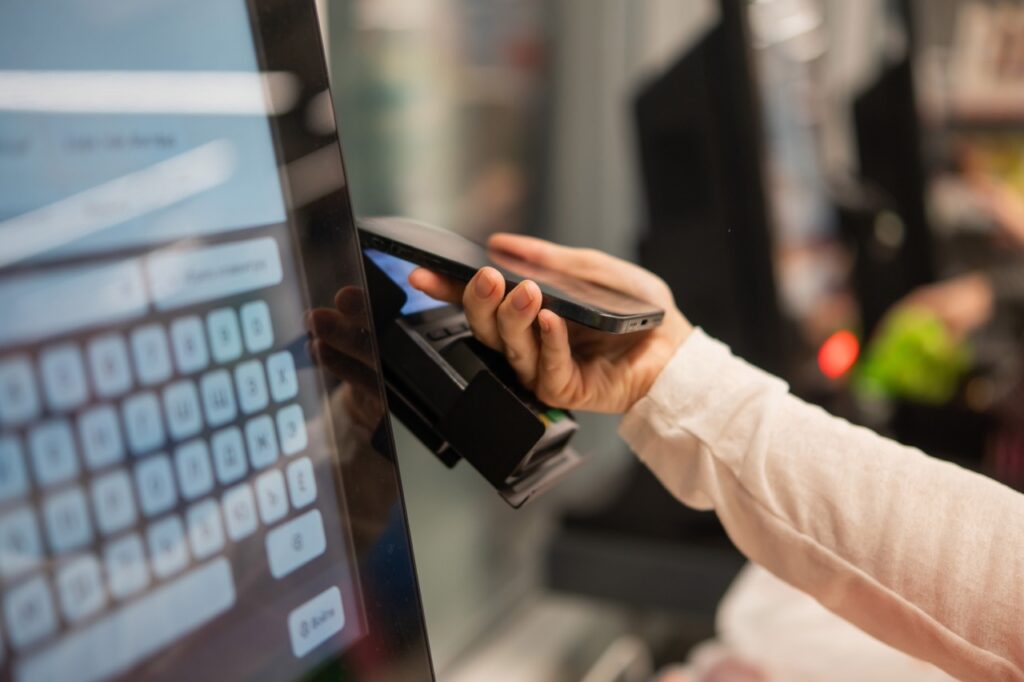
One of the most consistently misunderstood aspects of EBT in independent grocery retail is that a single EBT card can carry two completely separate benefit programs that operate under entirely different rules. SNAP benefits, which most people think of as the food stamps program, cover a defined range of food items. EBT cash benefits, which are delivered through state cash assistance programs including TANF and general assistance, function more like a debit card and can be used for a much broader range of purchases.
Most cashiers in independent grocery stores have not been trained on this distinction in detail. Most POS systems either handle it correctly behind the scenes without making the distinction visible, or handle it incorrectly because the product catalog has not been configured to support the different eligibility rules for each program. And most customers are themselves not fully clear on which of their benefits is being applied to which part of their transaction, which creates disputes and confusion at the register that an informed cashier and a correctly configured POS can prevent.
Here is a clear explanation of what each program covers, how they work differently at the register, and what your POS needs to do to handle both correctly.
What SNAP Benefits Cover
SNAP benefits can only be used to purchase food items intended for home preparation and consumption. The eligibility rules have specific inclusions and exclusions that are sometimes counterintuitive:
SNAP-eligible items include bread, cereals, fruits, vegetables, meats, fish, poultry, dairy products, seeds and plants intended to grow food, and most packaged food products. The category is broad and covers most of what a grocery store sells.
SNAP-ineligible items include alcohol, tobacco, vitamins and supplements, hot foods prepared for immediate consumption, non-food household items such as cleaning products and paper goods, pet food, and cosmetics. The non-food category is the source of most eligibility confusion at the register because many grocery stores carry a mix of food and non-food items that are shelved in proximity to each other.
Prepared food eligibility is a specific gray area. A cold rotisserie chicken is SNAP-eligible. A hot rotisserie chicken sold at temperature for immediate consumption is not. A cold deli sandwich is eligible in most states. A hot soup from a prepared foods case may not be. The specific rules vary somewhat by state, and stores with robust prepared food sections need to configure their product catalog to reflect these distinctions accurately.
Your POS handles SNAP eligibility at the item level through product catalog classification. Every item in your store should be tagged as SNAP-eligible or SNAP-ineligible, and that classification drives what the register charges to the SNAP balance versus what it routes to another payment method. FlexRetail’s inventory management platform supports this item-level classification as part of the standard product setup workflow.
What EBT Cash Benefits Cover
EBT cash benefits, delivered through state cash assistance programs, function essentially like a debit card. They can be used at retailers that accept EBT cash for any purchase that the retailer sells, with very limited exclusions. The primary exclusions are alcohol and tobacco in most states, and gambling or lottery purchases.
This means that EBT cash can be used to purchase non-food items that SNAP cannot cover: cleaning supplies, paper products, pet food, vitamins, and other household goods. EBT cash can also be withdrawn as cash at ATMs or at retailers that offer cash-back functionality, which SNAP benefits cannot be.
The practical implication at the register is that a customer with both SNAP and EBT cash on their card has meaningfully different purchasing options than a customer with SNAP only, and the register needs to apply the correct program to the correct items rather than treating the entire EBT card as a single undifferentiated benefit.
How the Transaction Flows When a Customer Has Both
When a customer with both SNAP and EBT cash benefits uses their card, the transaction flow at the register involves the POS identifying which items are SNAP-eligible, charging those to the SNAP balance, and then presenting the customer with the option to pay for remaining items with EBT cash, a different payment method, or a combination.
The customer typically has a choice about the order in which their benefits are applied, and different customers have different preferences based on their benefit balances and their purchasing strategy. Some customers want to maximize their SNAP use to preserve their EBT cash for non-food purchases. Others want to use EBT cash for part of their purchase and SNAP for the food items. The POS needs to support this flexibility without requiring the cashier to manually route different items to different benefit pools.
Specifically, the register should present the eligible SNAP total clearly, process the SNAP payment when the customer selects it, and then present the remaining balance for the customer to choose between EBT cash and other payment methods. FlexRetail’s payments and security platform handles this multi-step EBT transaction flow in a single integrated workflow that does not require cashier calculation or manual payment routing between programs.
What Cashiers Need to Know That Your POS Cannot Do for Them
Your POS handles the eligibility determination and the payment routing automatically. What it cannot do is explain the distinction between programs to a customer who is confused about why some of their items were not covered by their card, or navigate a dispute where a customer believes a SNAP-ineligible item should have been eligible.
Cashiers who understand the basic distinction between SNAP and EBT cash can handle these customer conversations clearly without creating the impression that the store is arbitrarily refusing to accept their card. Specific explanations that a trained cashier can provide:
- When a non-food item is not covered by SNAP: “The SNAP program only covers food items. Your card has an EBT cash balance that can cover this item if you would like to use it.”
- When a hot prepared food is not covered by SNAP: “SNAP benefits cover cold and packaged foods but not hot prepared foods. Your EBT cash balance can be used for this if you have cash benefits available.”
- When a customer runs out of SNAP balance before all their eligible items are covered: “Your SNAP balance has been used, but your remaining food items can be paid with your EBT cash balance or another payment method.”
These explanations are factually accurate, do not suggest the store is at fault, and give the customer a clear path forward. Getting them right requires cashiers who understand which program covers which items, which is training content rather than POS configuration.
Why the Distinction Matters for Compliance
Incorrectly charging SNAP benefits for ineligible items is a compliance violation that can surface in a SNAP retailer compliance review. If your product catalog is misconfigured and certain ineligible items are being charged to SNAP rather than routed to EBT cash or another payment method, your transaction records will show a pattern of SNAP purchases for non-food items that is a compliance issue regardless of whether the store intended it.
This is one of the primary reasons that product catalog maintenance, specifically keeping SNAP eligibility classifications current and accurate, is a compliance function rather than just an operational one. Items that change SNAP eligibility status, which can happen when USDA updates program rules, need to be updated in your catalog promptly to prevent eligibility misapplication from generating a compliance pattern.
FlexRetail’s full overview of how the platform handles EBT, WIC, and SNAP covers the eligibility management and payment routing that keeps your transactions compliant. Schedule a demo to walk through how the EBT program distinction is handled in your product catalog and at the register in a transaction that involves both SNAP and EBT cash.