
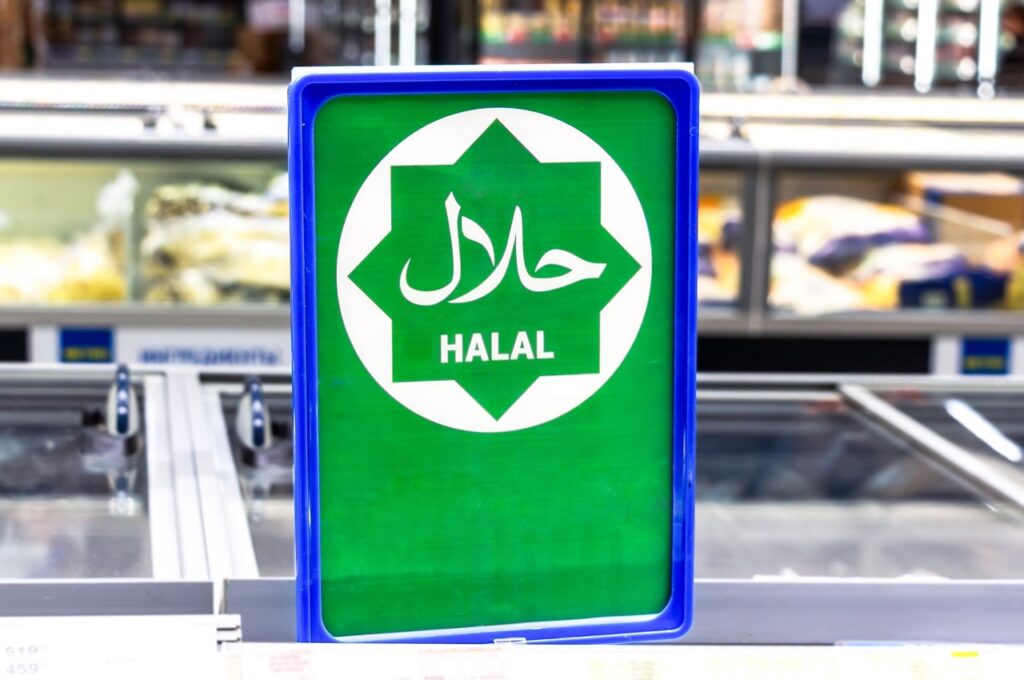
A halal market is not simply a grocery store with a different product selection. It is a retail operation built on a foundation of religious compliance, community trust, and supplier accountability that touches every part of the business from the receiving dock to the checkout lane. The customers who shop at a halal market are not just purchasing food. They are purchasing confidence that what they are buying meets the standards their faith requires, and that confidence is entirely dependent on the integrity of the operation behind the products on the shelf.
Running a halal market well requires technology that understands this obligation rather than ignoring it. A generic POS system designed for mainstream grocery can process transactions and track inventory, but it cannot support the specific compliance documentation, supplier verification, and product labeling requirements that a halal operation depends on. Here is a clear account of what makes a halal market operationally distinct and what the right POS platform needs to reflect.
Halal Certification Tracking Is an Inventory Requirement, Not a Marketing Function
In a mainstream grocery store, product certifications are marketing attributes. In a halal market, halal certification is an operational and compliance requirement that affects which products can be sold, how they need to be labeled, and what documentation needs to be maintained at the store level.
Every product in a halal market needs to be sourced from suppliers with valid halal certification from a recognized certifying body. That certification has an expiration date, is specific to a production facility, and can be revoked if the certifying body finds a compliance issue. A halal market operator who cannot track the certification status of their products at the inventory level is operating on trust alone, which is not sufficient when customers are relying on your store’s compliance as the basis for their purchasing decisions.
What this requires from your POS inventory system includes:
- The ability to tag each product with its certifying body, certificate number, and expiration date
- Alerts when a supplier’s certification is approaching expiration so you can request updated documentation before it lapses
- The ability to flag products whose certification documentation is incomplete or unverified so they do not reach the shelf until compliance is confirmed
- A record of certification history for each product that can be reviewed in the event of a customer inquiry or a supplier audit
FlexRetail’s inventory management platform supports product-level attribute tracking that can accommodate certification data as part of each item’s inventory record, giving halal market operators the documentation infrastructure their compliance obligations require.
Meat Department Operations Require a Different Level of Control
The halal meat department is the highest-stakes compliance area in any halal market. Halal slaughter requirements are specific, the chain of custody from slaughter to sale needs to be traceable, and any mixing of halal and non-halal product at any point in that chain invalidates the halal status of the affected product.
From a POS and inventory perspective, this creates requirements that go beyond standard meat department management:
- Supplier tracking that connects each batch of meat to a specific halal-certified slaughterhouse and a specific lot or delivery
- Receiving workflows that require certification documentation to be verified and recorded before a delivery is accepted into inventory
- Scale integration for weight-based pricing at the counter that includes the ability to print labels identifying the certifying body alongside the standard weight and price information
- Inventory separation that prevents halal and non-halal products from being tracked in the same inventory pool if the store carries both
FlexRetail’s butcher and meat market capabilities support the scale integration, label printing, and inventory control that a halal meat counter requires. The receiving and documentation workflows connect to the same inventory system so the compliance record follows the product from receiving to sale.
Payment Methods and Community-Specific Financial Practices
Many halal markets serve communities where specific financial practices are important alongside payment method diversity. Cash remains a significant payment channel in many Muslim communities for a variety of reasons including privacy preferences and varying levels of banking access. At the same time, these communities are also early adopters of mobile payment technology including digital wallets.
EBT and WIC processing is equally important for many halal markets serving lower-income Muslim communities where food assistance program participation is significant. The ability to accept every payment type a community uses, through a single integrated system that processes each one correctly, is a baseline operational requirement rather than a feature.
FlexRetail’s payments and security platform handles the full range of payment types relevant to a halal market customer base including EBT, eWIC, cash, contactless, and digital wallets, all through the same checkout flow so cashiers are never in the position of redirecting a customer because of how they choose to pay.
Product Labeling and Transparency at the Register
Halal market customers often want to know more about the products they are purchasing than a standard retail label provides. Which certifying body certified this product? Is this product certified as a whole or just certain ingredients? Is this imported product certified by a body recognized in my country of origin?
These questions arise most commonly at the deli counter and the meat counter, where products are wrapped and labeled in-store rather than arriving with manufacturer packaging. A POS system that can print labels including certifying body information alongside the standard weight and price data gives your staff the tools to provide transparency at the point of purchase rather than directing customers to ask a manager.
This labeling capability is also important for the growing number of halal market customers who are purchasing for distribution to others, for a family event, a community gathering, or a mosque function, where the ability to show documentation of halal certification on the product itself is expected.
Inventory Management for Imported and Specialty Products
Halal markets typically carry a significant proportion of imported products sourced from Muslim-majority countries alongside domestically produced halal-certified goods. These imported products create inventory management challenges that generic grocery systems handle poorly:
- Non-standard UPC codes or no barcodes at all, requiring PLU-based inventory management
- Product names in Arabic, Urdu, Somali, or other languages that may not display correctly in systems built around English-language product databases
- Variable availability based on import cycles and customs clearance timelines rather than the predictable supply chain of domestic distributors
- Shorter shelf lives on some imported fresh and refrigerated products that require more aggressive expiration tracking and rotation management
Managing this product mix requires an inventory system flexible enough to accommodate non-standard items without forcing every product into a template designed for mainstream American grocery. FlexRetail’s inventory tools support custom PLU management and product attribute flexibility that makes this diverse inventory manageable without workarounds.
Community Trust as an Operational Standard
The relationship between a halal market and its community is built on a level of trust that goes beyond what a conventional grocery store needs to earn. When a community member shops at a halal market, they are relying on that store to have done the compliance work that they cannot do themselves at the point of purchase. If that trust is broken, through a certification lapse, a mislabeled product, or a supplier whose compliance has been compromised, the damage to the store’s relationship with its community is severe and slow to repair.
The technology running a halal market should actively support that trust rather than simply being neutral to it. A POS system that tracks certification documentation, flags compliance gaps before they reach the shelf, and provides the labeling and reporting tools to demonstrate compliance to customers and certifying bodies is a system that takes the halal market’s obligations seriously.
FlexRetail’s platform for halal markets is built around the understanding that this is not a standard retail compliance checkbox. It is the foundation of the store’s relationship with its community. Schedule a demo to see how the platform is configured for a halal operation and what the compliance and inventory tools look like in practice.