
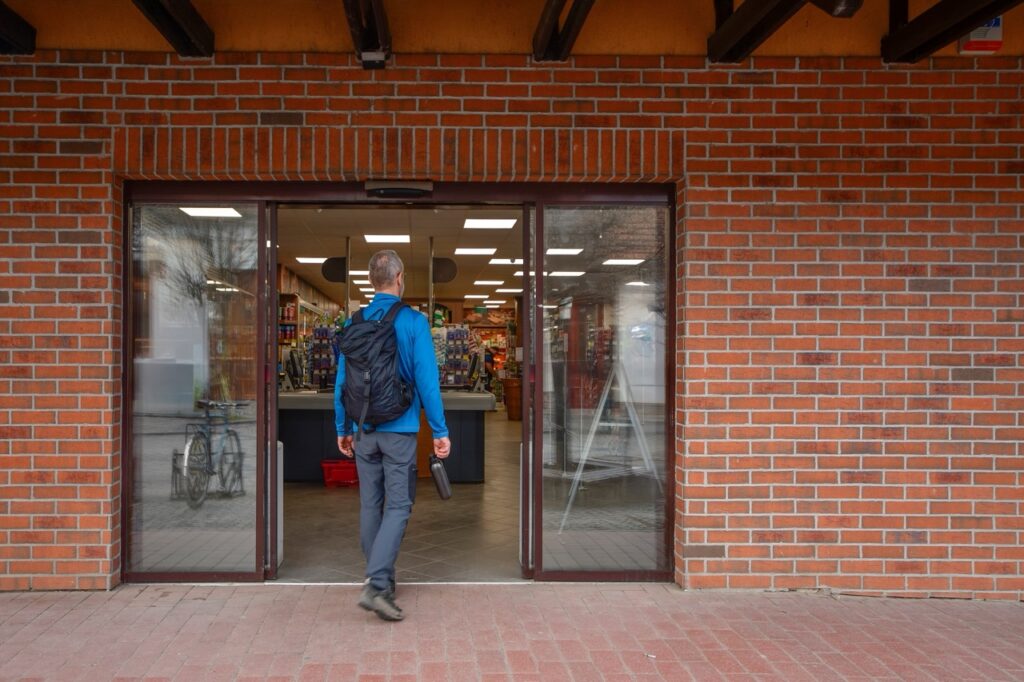
The first five minutes of a grocery shopping trip are disproportionately influential on everything that follows. Research on consumer psychology consistently finds that the emotional state a shopper enters while navigating the first section of a store shapes their purchasing decisions, their perception of prices, their likelihood of exploring unfamiliar categories, and their overall satisfaction with the visit. A shopper who feels welcomed, oriented, and pleasantly surprised in the first few minutes of a visit shops differently than one who feels ignored, overwhelmed, or underwhelmed by what they encounter.
For independent grocers competing with chains that have invested heavily in store design and entrance experience, the first five minutes represent one of the most accessible points of differentiation available. A chain’s entrance experience is designed at a corporate level by people who have never visited your specific store, applied uniformly across hundreds of locations, and optimized for average behavior across a broad customer demographic. An independent grocer’s entrance experience can be designed for the specific people who live in the specific neighborhood, reflecting what is in season locally, what the community is celebrating this week, and what the store’s specific personality and relationships make possible.
The stores that do this well do not spend enormous budgets on it. They make specific operational choices that the data and the customer relationship their technology enables supports. Here is what those choices look like.
They Make It Immediately Clear That the Store Knows What Is Good Right Now
The most impactful entrance experience in an independent grocery store communicates freshness and seasonality within the first thirty seconds of a shopper’s arrival. This is not accomplished by a sign that says “Fresh Daily.” It is accomplished by product that looks genuinely exceptional, merchandised in a way that makes its quality visible and its timing specific.
The best independent grocery stores treat their entrance area, typically the produce section or a seasonal display just inside the door, as an editorial statement about what is worth buying right now. In September it might be the last of the local tomatoes alongside the first of the fall apples. In late November it might be the citrus that has just come into peak season alongside the holiday baking ingredients. In the weeks before a major community festival it might be the specific ingredients that the celebration requires.
This editorial approach requires two things: the product quality and sourcing relationships to have genuinely exceptional product to feature, and the inventory intelligence to know what is moving fastest and should be featured most prominently rather than what has been sitting longest. Your POS velocity data tells you which products are generating the most interest right now, and that data should inform what gets the entrance display real estate rather than what a vendor paid for placement or what happened to arrive in the largest quantity.
They Greet Returning Customers in Ways That Feel Specific
The distinction between a greeting that feels genuine and one that feels procedural is specificity. A cashier who says “hello” to every customer as they enter is performing a standard. A cashier or floor associate who recognizes a returning customer and says something that reflects that recognition, whether using their name, referencing something from a previous visit, or simply making eye contact in a way that communicates recognition rather than rotation through the next customer in line, is delivering something that a chain cannot systemize at scale.
This kind of specific recognition is not purely a staffing and culture question. It is also a data question. When your loyalty program captures purchase history at the customer level and makes that information accessible to your team, the foundation for specific recognition exists even for customers whose names your staff does not happen to know. A customer profile that shows a returning loyalty member’s most recent purchase, their most frequently bought categories, or a product they usually pick up gives your team a basis for a specific interaction rather than requiring them to rely on memory alone.
FlexRetail’s customer loyalty platform makes this customer-level data available at the register and through back-office tools, giving your team the information that makes recognition feel specific rather than scripted. The best independent grocery stores build the habit of using this data into their customer interaction culture rather than treating it as a reporting tool that only managers access.
They Remove the Friction That Chains Have Normalized
One of the most effective things an independent grocer can do in the first five minutes of a shopper’s visit is eliminate the friction points that shoppers have learned to expect at chains but that do not need to exist at your store. These friction points are so normalized in grocery retail that many shoppers do not consciously register them as friction, but their absence creates a positive impression that registers as the store simply feeling better than the alternative.
Specific friction points worth eliminating in the entrance experience include:
Parking and cart access that requires searching for a cart that is not nested awkwardly or missing a wheel, which sets a negative physical tone before the shopper has seen a single product. The best independent grocers stage carts in positions that are genuinely convenient rather than maximally efficient for stock associates.
Entrance paths that force shoppers to navigate past displays that feel like obstacles rather than invitations, creating a sense of crowding in the first moments of the visit that activates mild stress rather than pleasant browsing.
Product that is clearly past its prime in high-visibility entrance positions, which creates an immediate quality concern that colors the shopper’s perception of everything else in the store. Your entrance area products should be the best products in your store at that moment, not the surplus that needs to move.
Digital tools that do not work correctly at the start of a visit, including loyalty card scanners that require multiple swipes, self-checkout machines with persistent error messages, or promotional displays that reference offers that have expired, all of which create small disappointments that accumulate into a general sense that this store does not quite have it together.
They Use the Entrance Area to Communicate Community Connection
The most durable differentiator an independent grocery store has over a chain is its relationship with the specific community it serves, and the entrance area is an opportunity to make that relationship visible to every shopper within the first thirty seconds of their arrival.
This can take many forms depending on the store’s specific community and its specific relationships:
A chalkboard featuring the local farms whose produce is on the floor that week, with the specific farm names and locations, communicates sourcing transparency that a chain’s supply chain cannot replicate at the local level.
A display of products made by local producers, with the producers’ names and stories visible alongside the products, turns a product display into a community endorsement that resonates with shoppers who care about supporting local businesses.
A notice about a community event that the store is sponsoring or participating in, framed as a neighbor talking to neighbors rather than as advertising, reinforces the sense that the store is part of the community rather than a commercial entity that happens to operate within it.
Seasonal decorations or thematic displays that reflect what the community is celebrating or anticipating at this specific moment in the year signal that the store is paying attention to its community’s calendar in a way that a chain whose promotional calendar is set months in advance cannot match.
None of these require significant investment. They require attention, a genuine relationship with your community and your suppliers, and the operational foundation, maintained inventory visibility, consistent product quality, and staff who have the time and the tools to execute these details well rather than spending all of their time managing operational friction.
The technology running your store is part of what creates the capacity for these details. When your inventory management is working well, your managers are not spending their mental energy on stockouts. When your POS handles transactions efficiently, your cashiers have the bandwidth to engage with customers rather than troubleshooting. When your loyalty data is accessible, your team has the information to make interactions feel specific rather than generic.
FlexRetail’s platform is built to give independent grocers the operational foundation that makes the customer-facing details possible. Schedule a demo to see how the inventory, loyalty, and reporting tools work together to support the kind of store experience that keeps shoppers coming back.