
What Independent Grocers Should Know About Labor Cost Planning and POS Reporting
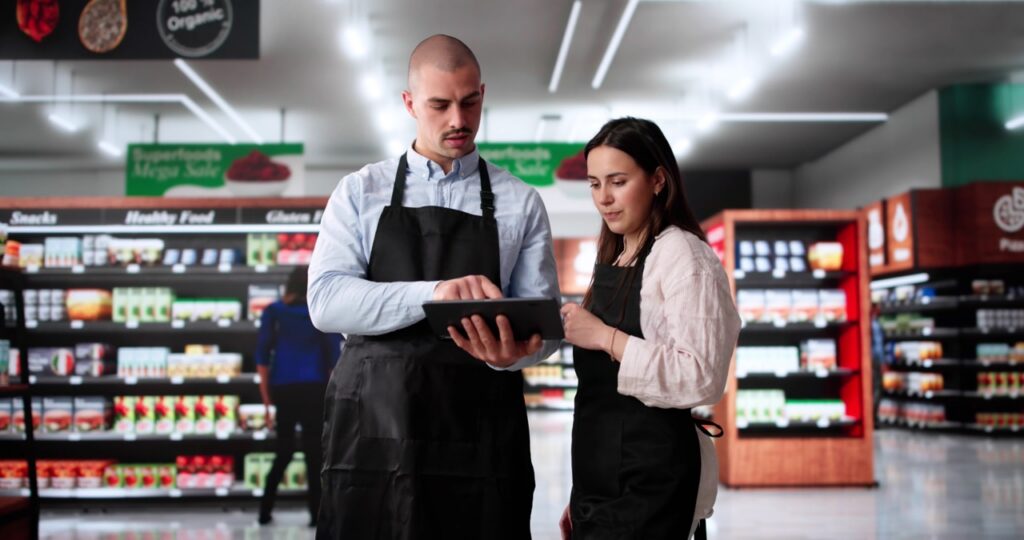
Labor is the largest controllable cost in most independent grocery stores, typically running between fifteen and twenty percent of revenue depending on store format, transaction volume, and service model. Unlike rent or utilities, which are relatively fixed, labor cost is directly responsive to the operational decisions you make every day: how many people you schedule, […]
How Independent Grocers Can Use POS Data to Navigate Inflationary Periods
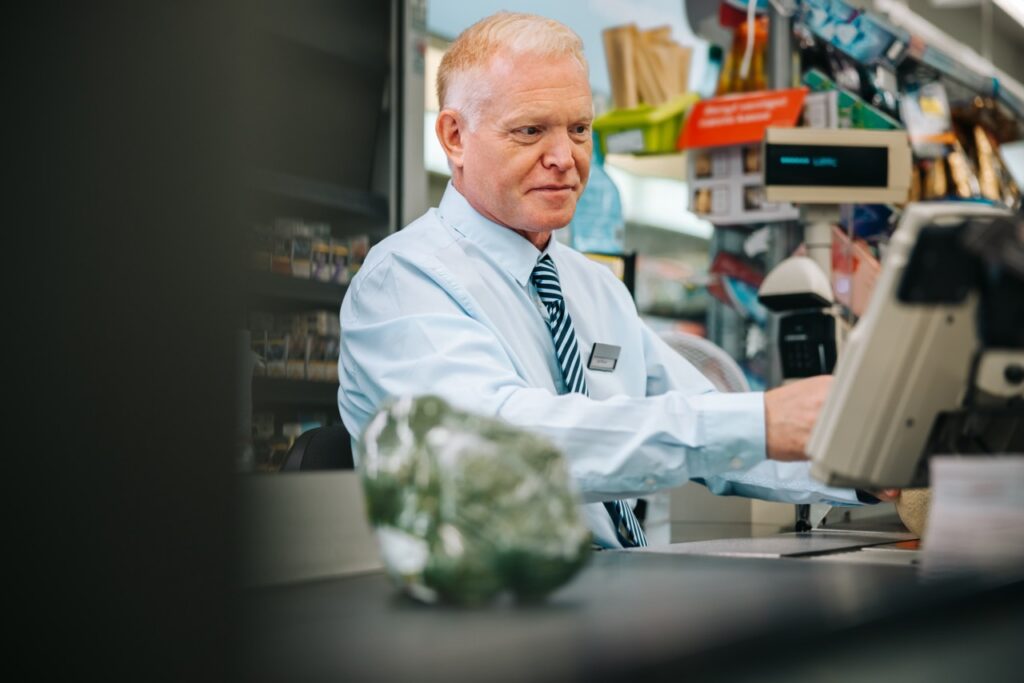
Inflation creates a particularly difficult operating environment for independent grocers. On one side, wholesale costs are rising across categories in ways that compress margin if retail prices do not keep pace. On the other side, shoppers who are feeling the pressure of higher prices everywhere are scrutinizing their grocery bills more carefully, comparing prices across […]
How to Design a Checkout Lane That Moves Faster and Feels Better for Shoppers
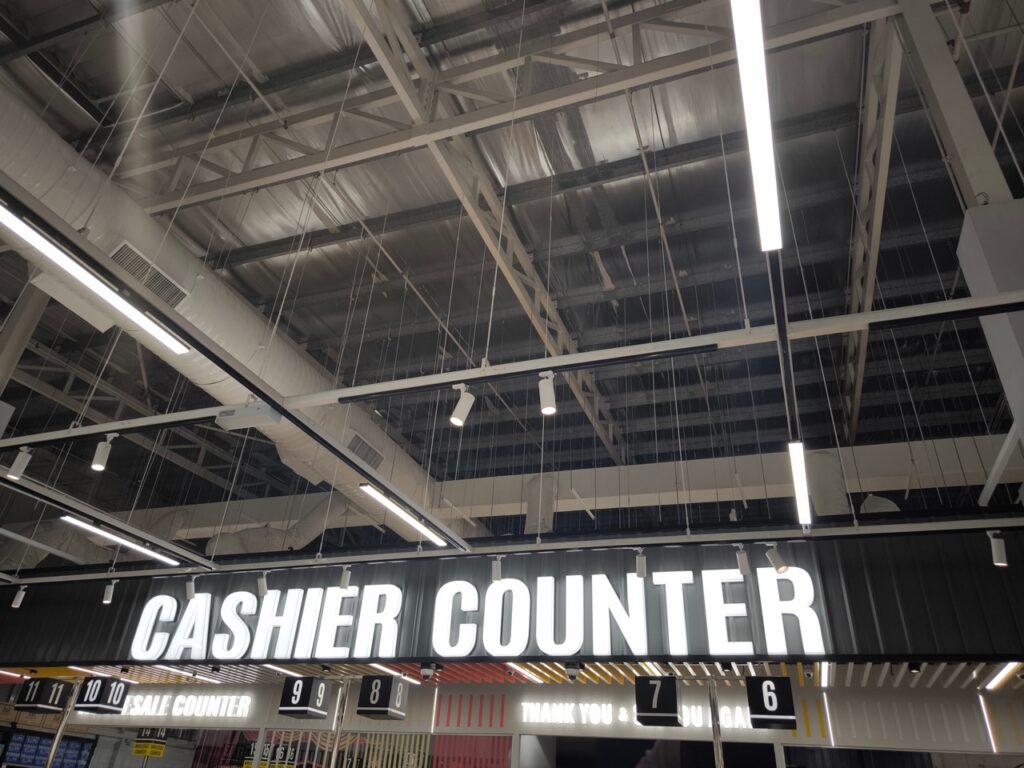
The checkout lane is the last operational touchpoint of every grocery shopping trip. Everything that happened before it, the quality of your product selection, the cleanliness of your store, the helpfulness of your staff in the aisles, can be undermined by a checkout experience that is slow, confusing, or friction-filled. Conversely, a checkout experience that […]
How to Reduce Cash Handling Errors and Reconciliation Time With the Right POS Tools
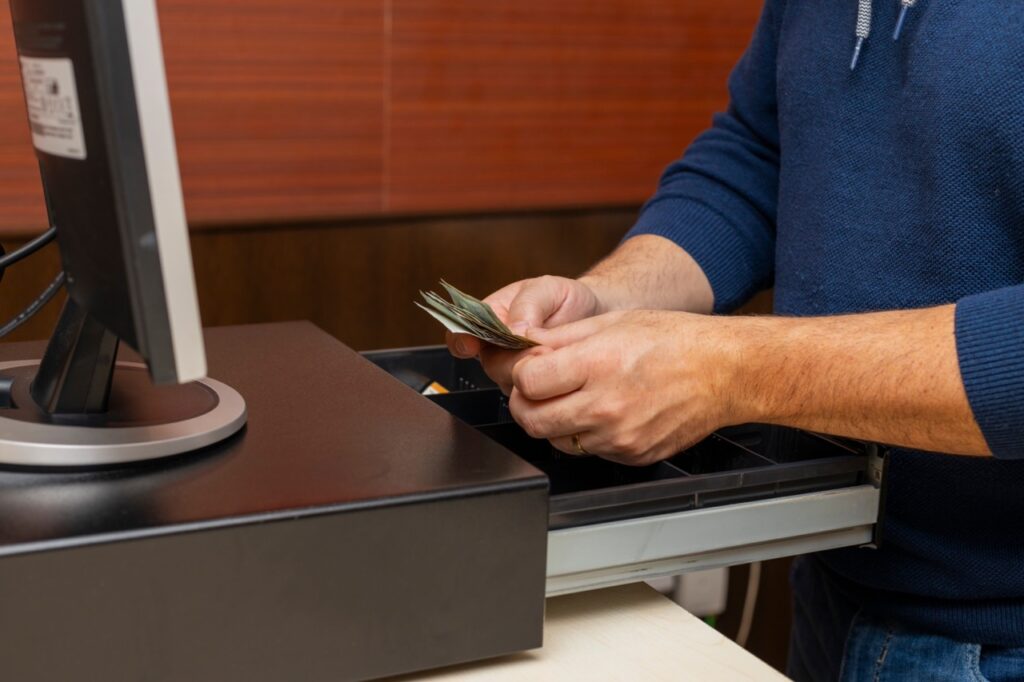
Cash handling is one of the most operationally intensive and error-prone functions in an independent grocery store. Every shift change requires a drawer count. Every end of day requires a reconciliation. Every variance between the expected total and the actual count requires investigation. And every error, whether from making change incorrectly, miscounting a drawer, or […]
How Dollar Stores Can Use POS Data to Compete on More Than Price
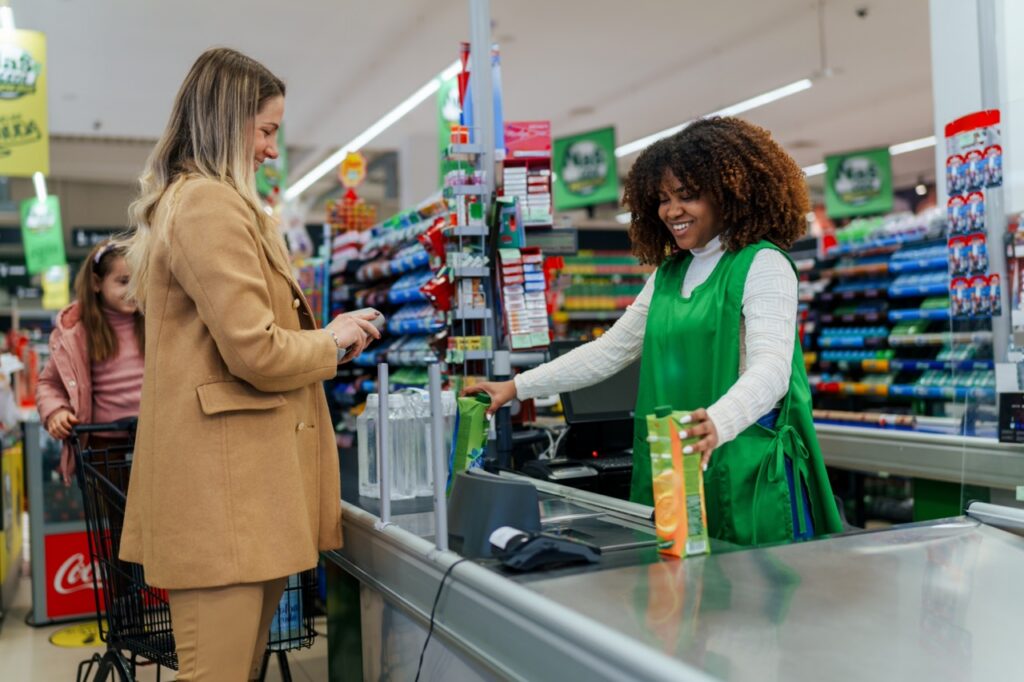
The dollar store model was built on a simple premise: low prices, convenient locations, and a no-frills shopping experience that delivered value to budget-conscious shoppers. For decades that formula worked well enough that price was the only competitive dimension that mattered. A dollar store that was cheaper than the alternatives won, and the operational complexity […]
What Happens to Customer Experience When Your POS Goes Down and How to Minimize It
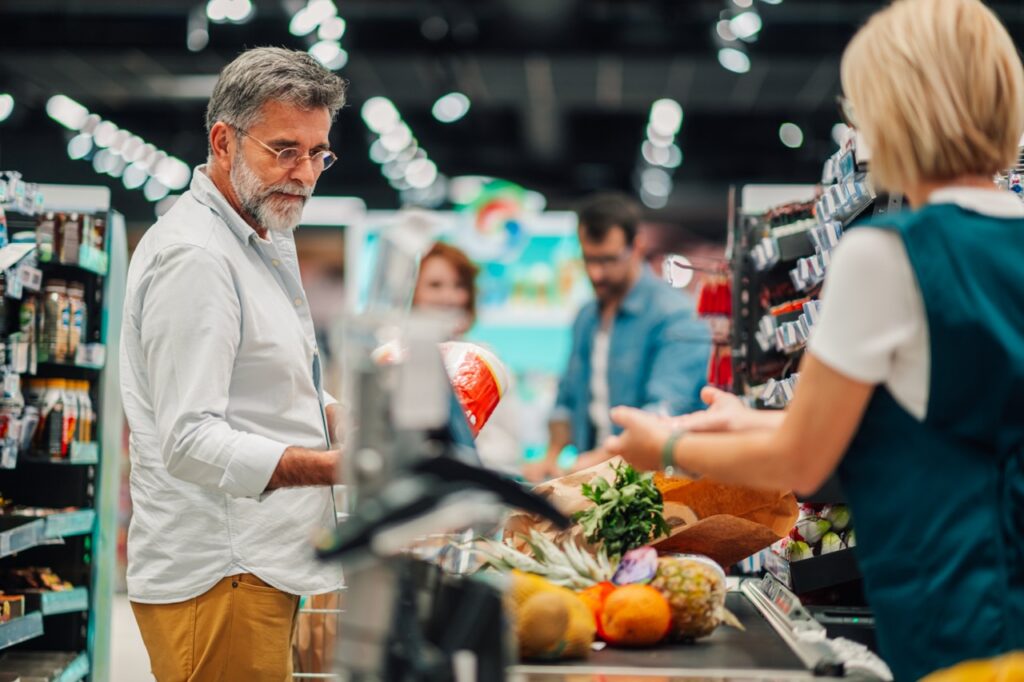
A POS system outage during a busy Saturday morning is one of the most stressful operational scenarios an independent grocery manager will face. Checkout lanes stop moving. Lines build. Customers who were planning a quick trip find themselves standing still with no clear indication of how long the situation will last. Some leave. Others stay […]
How to Build a Grocery Store Employee Schedule Using POS Traffic Data
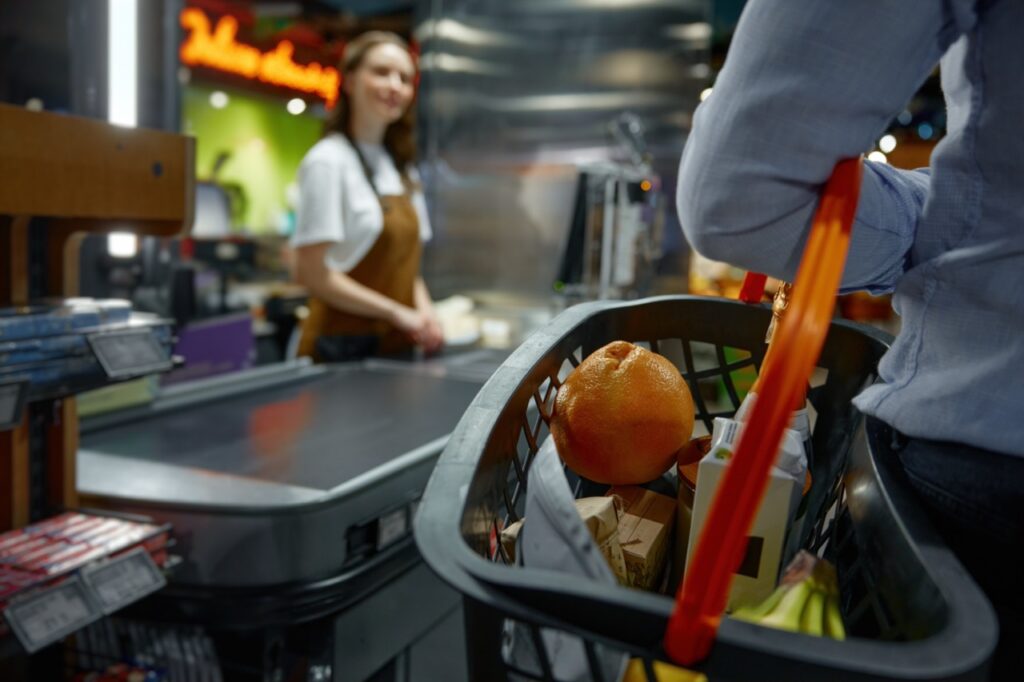
Employee scheduling is one of the most consequential daily management decisions in an independent grocery store, and it is one of the most commonly made on instinct rather than data. Most grocery managers schedule based on a mental model of when the store is busy, shaped by experience and habit, with adjustments for obvious events […]
How to Plan Your Inventory Around Local Events and Community Calendars
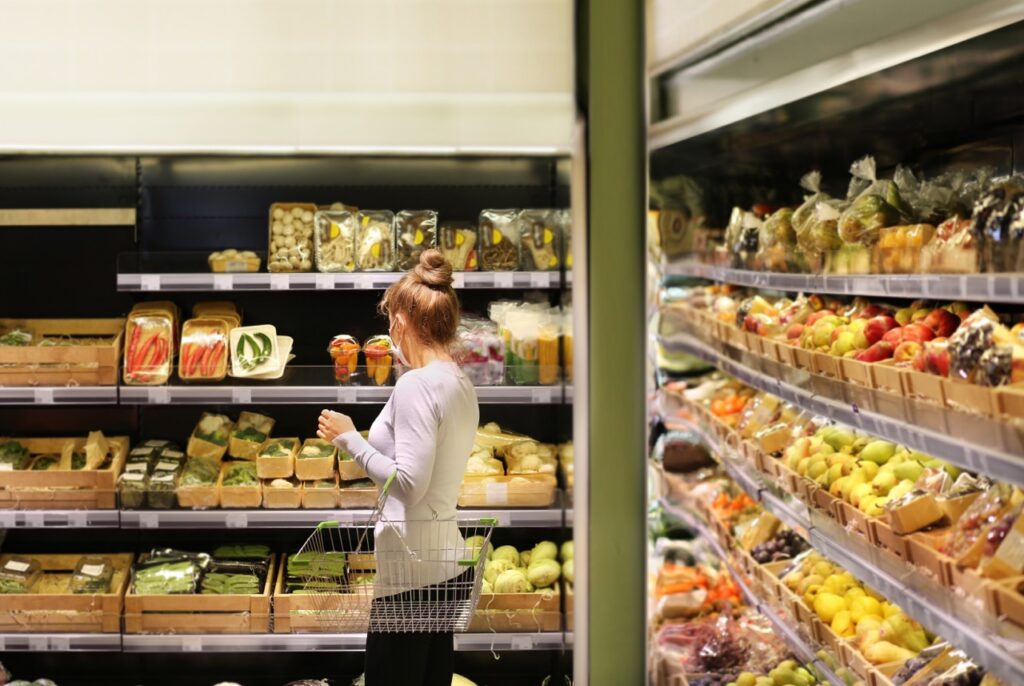
National grocery chains plan their inventory around a national promotional calendar: major holidays, sports events, and seasonal shifts that are predictable at scale across thousands of locations. Independent grocers have access to something chains cannot easily replicate: intimate knowledge of their specific community’s calendar, the local events, cultural observances, school schedules, and neighborhood rhythms that […]
What SNAP Online Expansion Means for Independent Grocers and Their POS
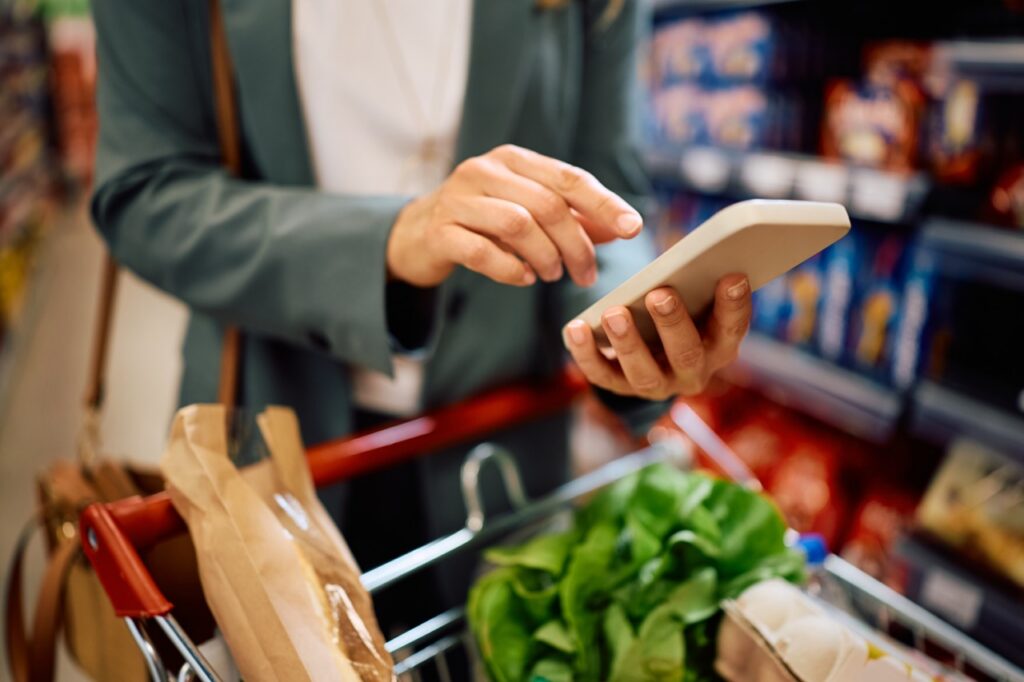
SNAP, the Supplemental Nutrition Assistance Program, has historically been a strictly in-store benefit. Participants received an EBT card, brought it to a participating retailer, and used it to pay for eligible food items at the register. The idea of using SNAP benefits to purchase groceries online was not part of the program’s design when it […]
What Makes a Halal Market Different to Run and What Your POS Needs to Reflect
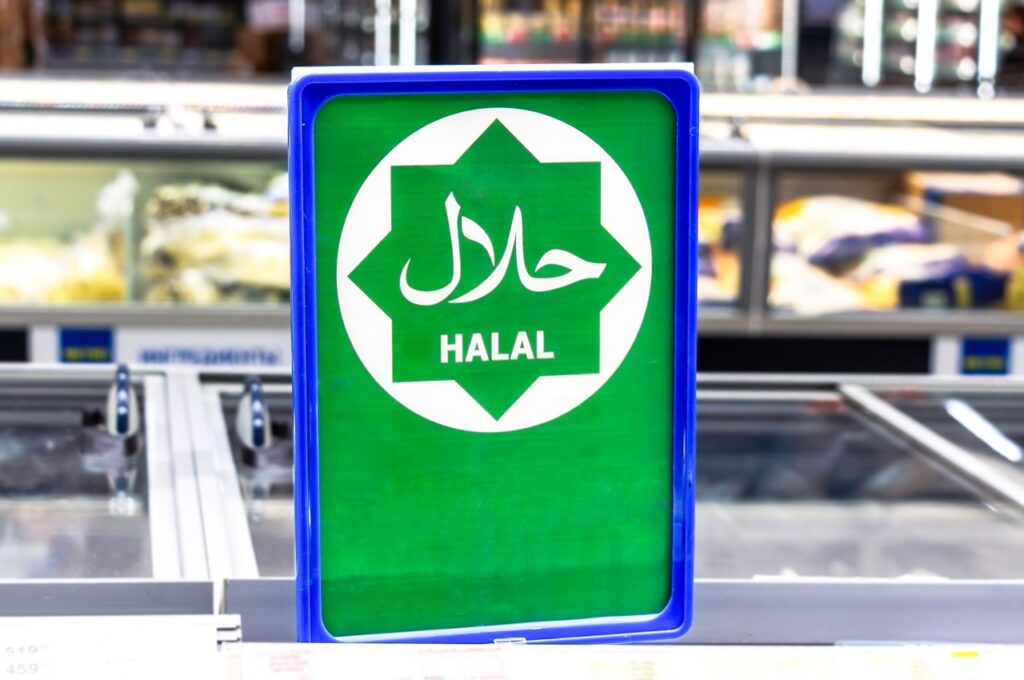
A halal market is not simply a grocery store with a different product selection. It is a retail operation built on a foundation of religious compliance, community trust, and supplier accountability that touches every part of the business from the receiving dock to the checkout lane. The customers who shop at a halal market are […]